Most promotional products get thrown away.
They’re usually picked based on price instead of purpose, which leads to cheap items people don’t actually use or keep.
That’s where most businesses waste money.
The right products do the opposite. They get used, seen, and remembered because they fit the brand, feel worth keeping, and make sense for the person receiving them.
Choosing the right product matters just as much as putting your logo on it.
We help you choose promotional products that represent your brand well, create long-term visibility, and actually get used after the first interaction.


WHAT PROMOTIONAL PRODUCTS ACTUALLY ARE
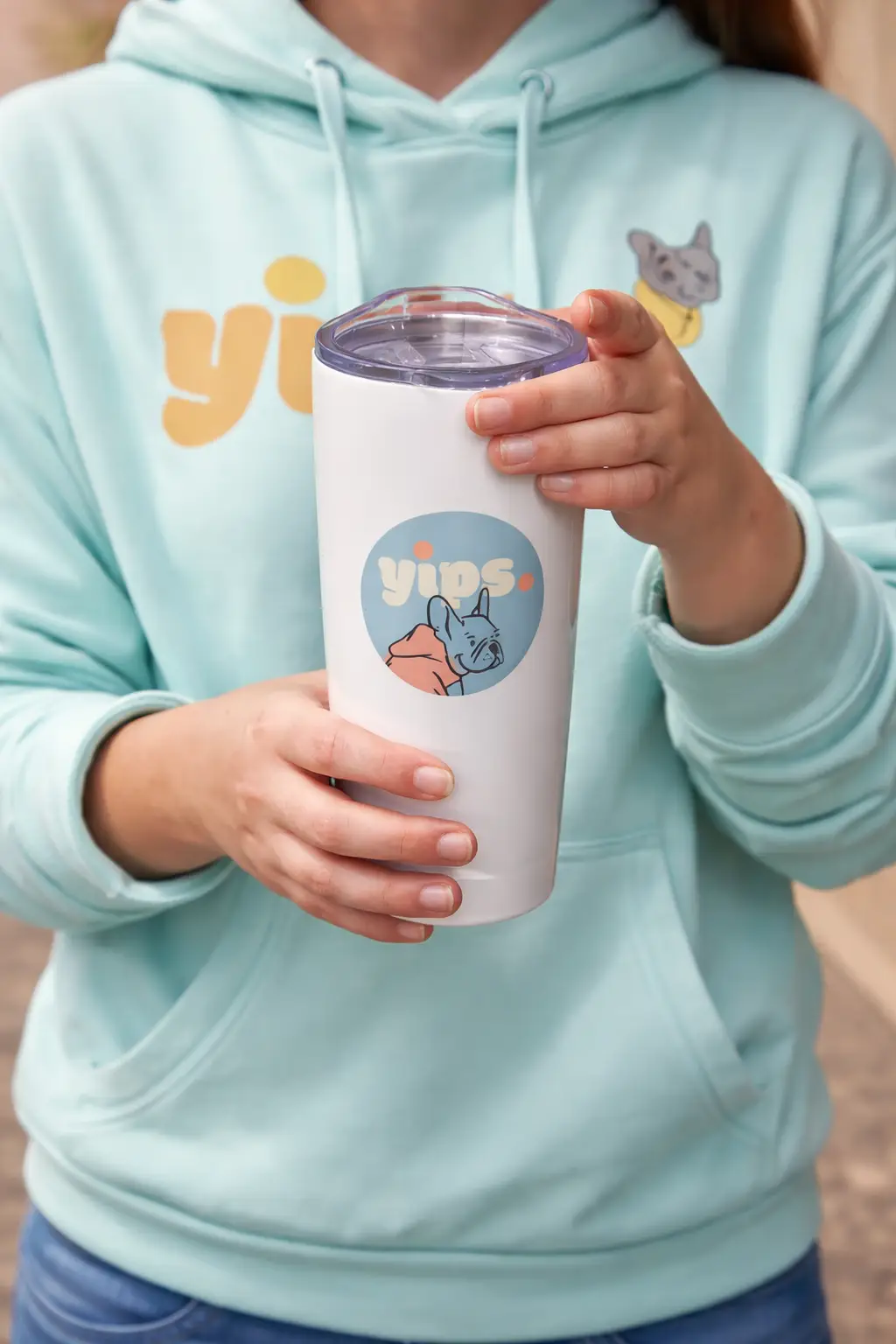
Promotional products are any physical items branded with your logo that are used to promote your business.
That can be anything from everyday items like drinkware, hats, and bags to higher-end pieces like corporate gifts, kits, and custom merchandise.
The options are nearly endless. The difference is not what you can get — it’s what actually makes sense for your brand.
When done right, promotional products don’t feel like giveaways. They feel like something worth keeping.
WHAT WE CAN SOURCE
We can source and brand just about anything, including:
• Drinkware (tumblers, water bottles, mugs)
• Hats and headwear
• Bags and totes
• Office and desk items
• Tech accessories
• Event giveaways
• Corporate gifts and kits
If it can be branded, we can usually get it.
HOW TO THINK ABOUT IT
The goal is not to pick something just because it’s available.
It’s to choose something that fits your brand and actually gets used.
A good promotional product feels intentional, matches your business, and holds up over time.
That’s what keeps your brand in front of people long after the first interaction.
Promotional Product Minimums Explained Clearly
Minimums for promotional products are based on the product itself.
Each item has its own minimum set by the supplier, which can range anywhere from as low as 5 pieces to 100+ depending on the product.
That’s the important part. There isn’t one standard minimum across everything.
Higher-end items and custom products usually have lower minimums, while more complex or lower-cost items often require larger quantities to make production efficient.
The goal isn’t to force a number. It’s to find the right product that fits your budget and what you’re trying to accomplish.
We’ll guide you through options that make sense so you’re not stuck ordering more than you need or choosing something just to hit a minimum.
Example 1:
A premium client gift item might have a minimum of 5–12 pieces.
Example 2:
Custom drinkware or bags may require 24–100 pieces depending on the style.
Example 3:
Certain bulk giveaway items may require higher quantities to keep pricing efficient
WHAT AFFECTS PROMOTIONAL PRODUCT PRICING
The product itself is only one part of the price. Promotional product pricing is usually affected by quantity, product type, branding method, quality level, and how custom the item is.
Quantity
Higher quantities usually reduce the cost per item. Setup and production costs get spread across more units, which improves pricing.
PRODUCT TYPE
A basic giveaway item and a higher-end product are not the same. The item you choose directly impacts both cost and how your brand is perceived.
BRANDING METHOD
Screen print, embroidery, engraving, and full-color printing all come with different costs depending on the product and how the design is applied.
QUALITY LEVEL
This is the biggest factor.
Lower-cost products are more likely to be discarded. Higher-quality items are more likely to be kept and used, which creates better long-term value.
Artwork, Colors, and File Types
Best Artwork Files
Vector files are always preferred when possible. AI, EPS, SVG, and press-ready PDF files give the cleanest and most consistent results across different products. High-resolution PNG or JPG files may still work, but sometimes require cleanup depending on the quality of the file.
KEEP IT CLEAN AND READABLE
Promotional products work best with clean, readable branding. Very small text, thin lines, or overly detailed designs don’t always translate well depending on the product or branding method. That does not mean your design needs to be basic. It just means it should be built in a way that stays clear and recognizable across different items.
How To Build A Better Promotional Product Order
1.
Start With Purpose
Know what the product is for and how it will be used. Client gifts, event giveaways, and employee kits should not all be approached the same way.
2.
CHOOSE PRODUCTS PEOPLE WILL USE
The best promotional products don’t feel promotional. Drinkware, hats, bags, and everyday-use items tend to perform better because they stay in rotation.
3.
KEEP BRANDING CLEAN
Simple, readable logos almost always perform better. Overly loud or cluttered designs make products feel cheap and are less likely to be used.
4.
Plan Early
Rushed orders limit options and flexibility. Better planning gives you access to better products, better pricing, and a cleaner final result.
WHAT PROMOTIONAL PRODUCTS ARE GREAT FOR
Great Fit
• Client gifts that leave an impression
• Employee kits and onboarding
• Higher-quality event giveaways
• Products people use daily like drinkware, hats, and bags
• Projects where long-term brand visibility matters
Not Always The Best Fit
• Cheap bulk giveaways with no real use
• Products chosen only to hit a low price point
• Items people are unlikely to keep
• Overly trendy or novelty items