Screen printing is still one of the best ways to create apparel that feels intentional, consistent, and worth wearing. It is one of the strongest options for businesses, teams, events, merch drops, and uniforms when you want bold prints, strong durability, and a finished product that actually holds up.
This page is here to help you understand how screen printing works, what affects pricing, how to build a better order, and how our minimums actually work so you can plan smarter from the start.

What Screen Printing Actually Is
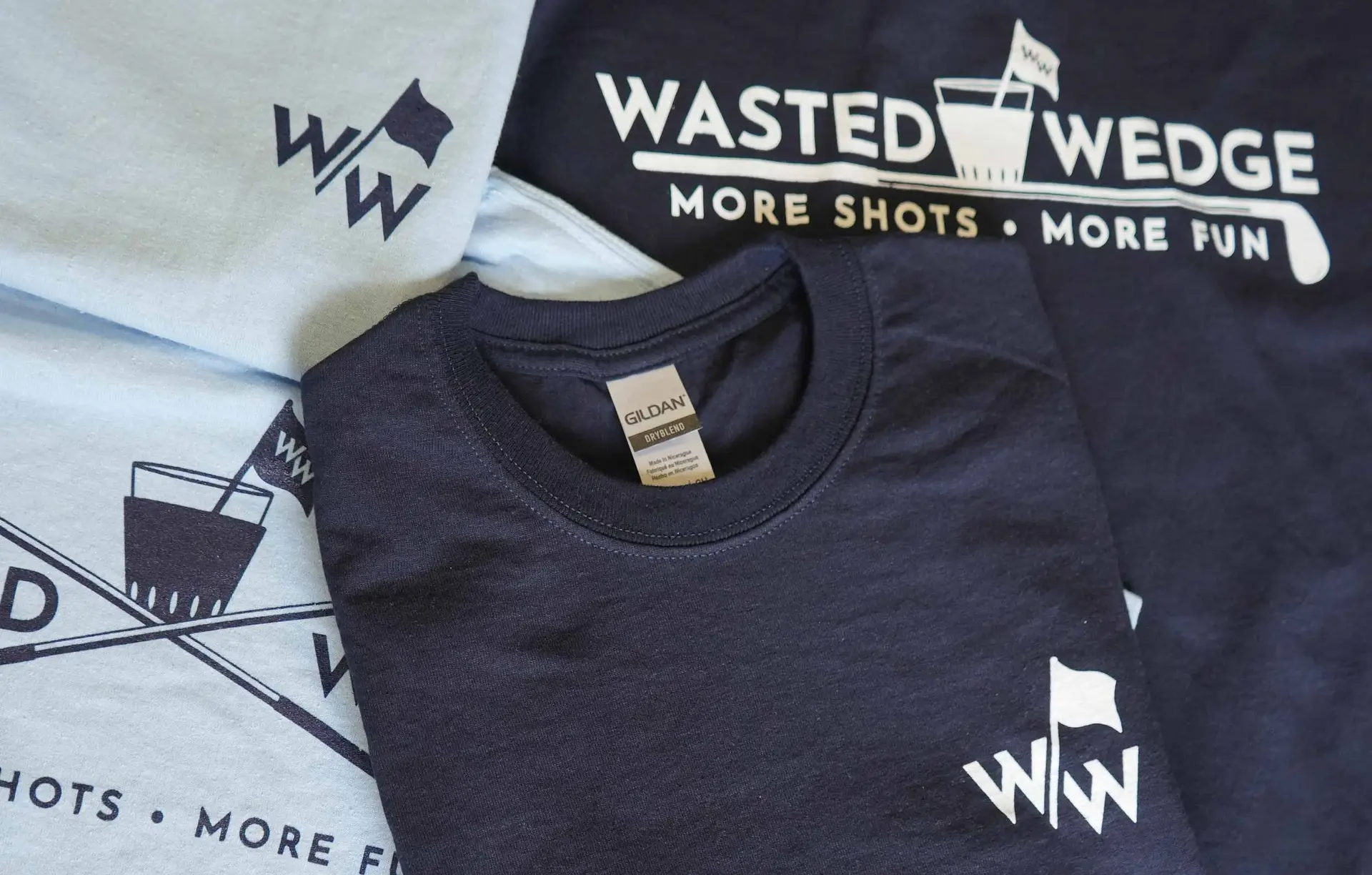
Screen printing is a decoration method where ink is pushed through a mesh screen and applied directly onto the garment. Each color in a design typically requires its own screen and setup, which is why this process becomes more efficient when you are producing enough pieces of the same design. It is one of the best methods for bold, long-lasting prints on apparel when the order is built the right way.
Why People Like It
Screen printing is known for vibrant color, strong durability, and a finished look that feels more intentional than a lot of cheap shortcut decoration methods. When the garment and artwork are chosen well, the end result feels cleaner, more premium, and more worth wearing.It is especially strong for team apparel, company uniforms, event shirts, branded merch, and repeatable designs that need consistency across multiple pieces.
When It Makes Sense
Screen printing usually makes the most sense when you have enough quantity to justify setup, a design that repeats, and artwork built with printability in mind. It works great on t-shirts, hoodies, sweatshirts, long sleeves, and other apparel where you want the final print to hold up and look right.
Our 24 Piece Minimum Explained Clearly
Our minimum for screen printing is 24 pieces per design. That is the important part. The minimum is based on the artwork being printed, not on one exact garment style.
So if you have one design and want to spread that same exact design across different garment types, that is completely fine, as long as the total quantity for that design adds up to at least 24 pieces.
That means an order could be 6 shirts, 12 hoodies, and 6 polos using the same design and still meet the minimum, because the design total is 24 pieces.
If you have multiple different designs in the same order, each design needs to be looked at separately. That is where people usually get confused. The easiest way to think about it is this: the minimum follows the artwork, not the garment.
Example 1:
12 tees and 12 hoodies with the same design equals 24 pieces total.
Example 2:
6 tees, 12 hoodies, and 6 polos with the same design still equals 24 pieces total.
Example 3:
6 tees, 12 hoodies, and 6 polos with the same design still equals 24 pieces total.
What Affects Screen Printing Pricing
The shirt itself is only one part of the price. Screen printing pricing is usually affected by quantity, number of ink colors, number of print locations, garment selection, and how complex the artwork is.
Quantity
In most cases, the more of the same design you print, the more efficient the order becomes. Setup costs get spread across more pieces, which usually improves the cost per item.
Number of Ink Colors
More colors usually means more screens, more setup, and more press time. A clean one-color or two-color design is usually more cost effective than a complicated print with a lot going on.
Print Locations
Front print, back print, left chest, sleeve print, and tag print all affect labor and setup. More print locations usually means more work and a higher total cost.
Garment Choice
A budget tee, a heavyweight premium shirt, and a hoodie are not the same product and should not be treated the same way. The blank you choose changes both the price and the overall impression of the final order.
Artwork, Colors, and File Types
Best Artwork Files
Vector files are always preferred when possible. AI, EPS, SVG, and press-ready PDF files tend to give the cleanest path into production. High-resolution PNG, PSD, JPG, or other raster files may still work, but sometimes require cleanup or redraw work depending on the quality of the file.
Color Count Matters
Screen printing typically works best with a controlled number of solid colors. That does not mean your design needs to be boring. It just means your artwork should be built with the method in mind. If a design has too many colors, gradients, or tiny details, another process may make more sense.
How To Build A Better Screen Printing Order
1.
Start With Purpose
Know who the apparel is for and what it needs to do. Company uniforms, event shirts, merch, and giveaways should not all be approached the same way.
2.
Choose The Right Blank
Fit, weight, softness, durability, and brand all affect how the final product feels. The garment matters just as much as the print.
3.
Keep Artwork Print-Friendly
Cleaner designs usually print better. Intentional artwork saves headaches, protects quality, and usually leads to a better finished product.
4.
Plan Early
Rush orders compress the normal process. Better planning creates more room for approvals, art review, and cleaner execution.
What Screen Printing Is Great For
Great Fit
• Company apparel and staff uniforms
• Event shirts and volunteer shirts
• Retail-style merch and collections
• Orders with one repeatable design
• Projects where consistency matters across multiple garments
Not Always The Best Fit
• Very small quantity one-off orders
• Artwork with lots of photographic detail
• Designs that constantly change mid-order