Embroidery is one of the best ways to elevate your brand on polos, hats, jackets, and uniforms. It adds texture, durability, and a level of professionalism that printing alone can’t match.
It’s what businesses use when they want their team to look put together, credible, and worth taking seriously in person.
But not every logo or garment translates well into embroidery.
That’s where most orders go wrong.
This page breaks down how embroidery actually works, what affects pricing, when it makes sense, and how to build an order that looks clean the first time.


What Embroidery Actually Is
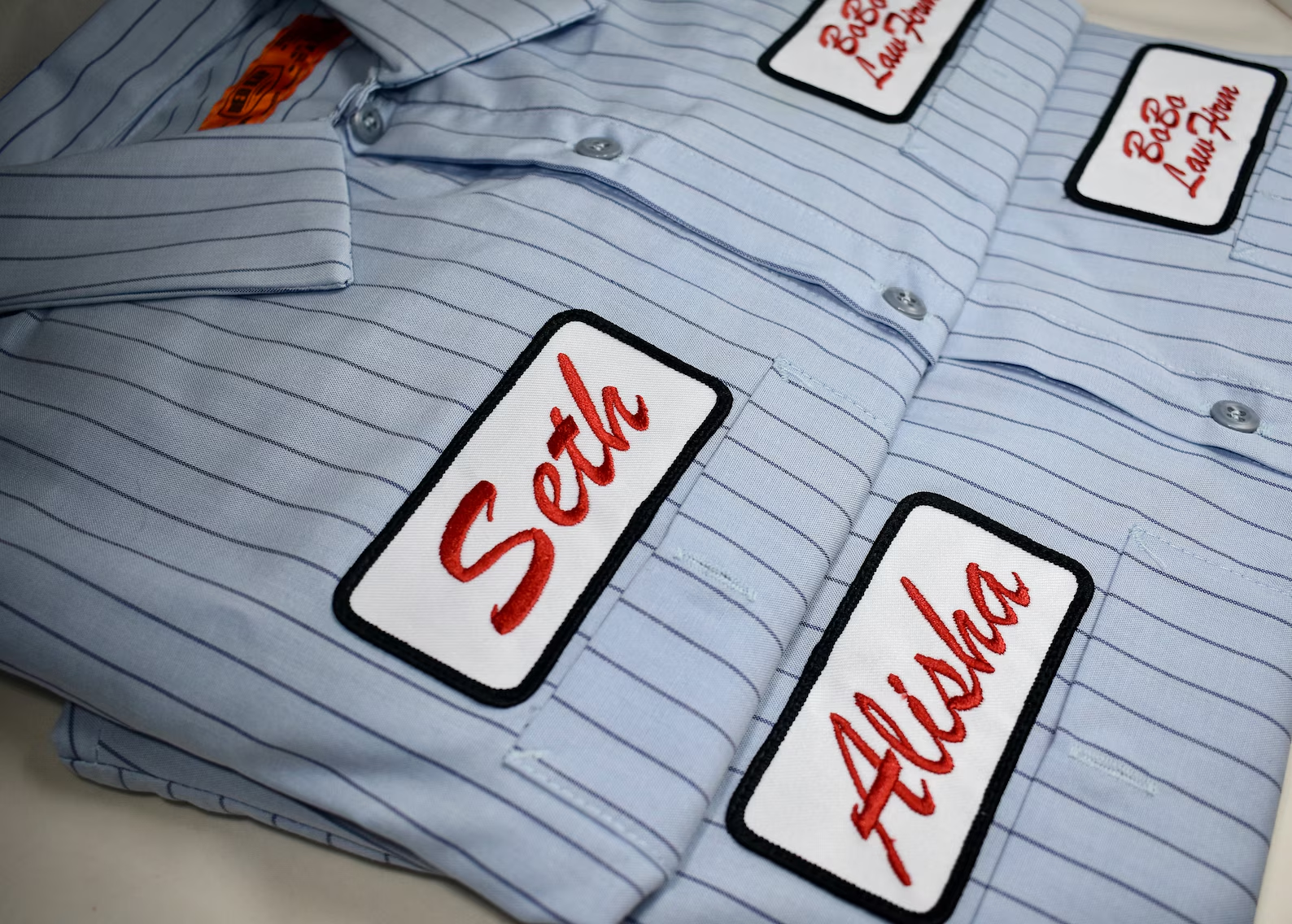
Embroidery is a process where your logo is stitched directly into the garment using thread instead of ink.
That’s what gives it that raised, textured look and why it feels more premium than most printed apparel.
When it’s done right, embroidery doesn’t just put your logo on a shirt — it makes the entire piece feel more intentional and put together.
why people like it
Embroidery gives apparel a cleaner, more professional look than most printed options.
Because the design is stitched directly into the garment, it holds up over time and adds a level of texture that feels more premium in person.
It works especially well for polos, hats, outerwear, and uniforms where presentation matters.
When It Makes Sense
Embroidery makes the most sense when you want a polished, long-lasting finish.
It works best on structured garments like polos, hats, and jackets where the stitching adds to the overall look.
It’s a strong fit for uniforms, sales teams, and any situation where your brand is seen in person.
Our 12 Piece Minimum Explained Clearly
Our minimum for embroidery is 12 pieces per design. That is the important part. The minimum is based on the logo being stitched, not on one exact garment style.
So if you have one design and want to use that same logo across different garment types, that is completely fine, as long as the total quantity adds up to at least 12 pieces.
That means an order could be 6 polos and 6 hats using the same design and still meet the minimum, because the design total is 12 pieces.
If you have multiple different logos in the same order, each design needs to be looked at separately. That is where people usually get confused. The easiest way to think about it is this: the minimum follows the design, not the garment.
Example 1:
6 polos and 6 hats with the same design equals 12 pieces total.
Example 2:
4 polos, 4 quarter zips, and 4 hats with the same design still equals 12 pieces total.
Example 3:
6 hats with one design and 6 hats with a different design does not meet the minimum.
What Affects Embroidery Pricing
The garment itself is only one part of the price. Embroidery pricing is usually affected by quantity, stitch count, logo size, placement, garment selection, and how detailed the design is.
Quantity
In most cases, the more of the same design you order, the more efficient the order becomes. Setup and production time get spread across more pieces, which usually improves the cost per item.
Stitch Count
More thread means more time on the machine. A clean, simple logo usually costs less than a large or highly detailed design with a high stitch count.
Logo Size + Placement
A small left chest logo, a hat front, and a large jacket back are all very different. Larger designs and certain placements require more time and setup, which affects pricing.
Garment Choice
A basic polo, a premium quarter zip, and a jacket are not the same product. The garment you choose affects both the price and how the final embroidery looks and feels.
Artwork, Colors, and File Types
Best Artwork Files
Vector files are always preferred when possible. AI, EPS, SVG, and press-ready PDF files tend to give the cleanest path into production. High-resolution PNG, PSD, JPG, or other raster files may still work, but sometimes require cleanup or redraw work depending on the quality of the file.
DETAIL AND SIMPLICITY MATTER
Embroidery works best with clean, simple artwork. Very small text, thin lines, and overly detailed designs do not always translate well into thread. That does not mean your design needs to be basic. It just means it should be built with embroidery in mind so it looks clean once stitched.
How To Build A Better Embroidery Order
1.
Start With Purpose
Know what the apparel is for and how it will be used. Polos for a sales team, hats for a crew, and jackets for higher-end branding should not all be approached the same way.
2.
Choose The Right Blank
Embroidery looks best on structured, quality garments. Polos, hats, quarter zips, and outerwear tend to produce a cleaner, more professional result than softer or lightweight pieces.
3.
KEEP ARTWORK EMBROIDERY-FRIENDLY
Clean, simple logos usually stitch better. Very small text and overly detailed designs can lose clarity, so keeping things intentional leads to a better finished product.
4.
Plan Early
Rushed orders limit flexibility and increase the chance of issues. Better planning creates more room for digitizing, approvals, and a cleaner final result.
What Embroidery Is Great For
Great Fit
• Polos and company uniforms
• Hats and headwear
• Quarter zips, jackets, and outerwear
• Sales teams and client-facing apparel
• Projects where a clean, professional look matters
Not Always The Best Fit
• Large, full-front graphic designs
• Very detailed artwork or small text
• Designs with gradients or photo-style elements